






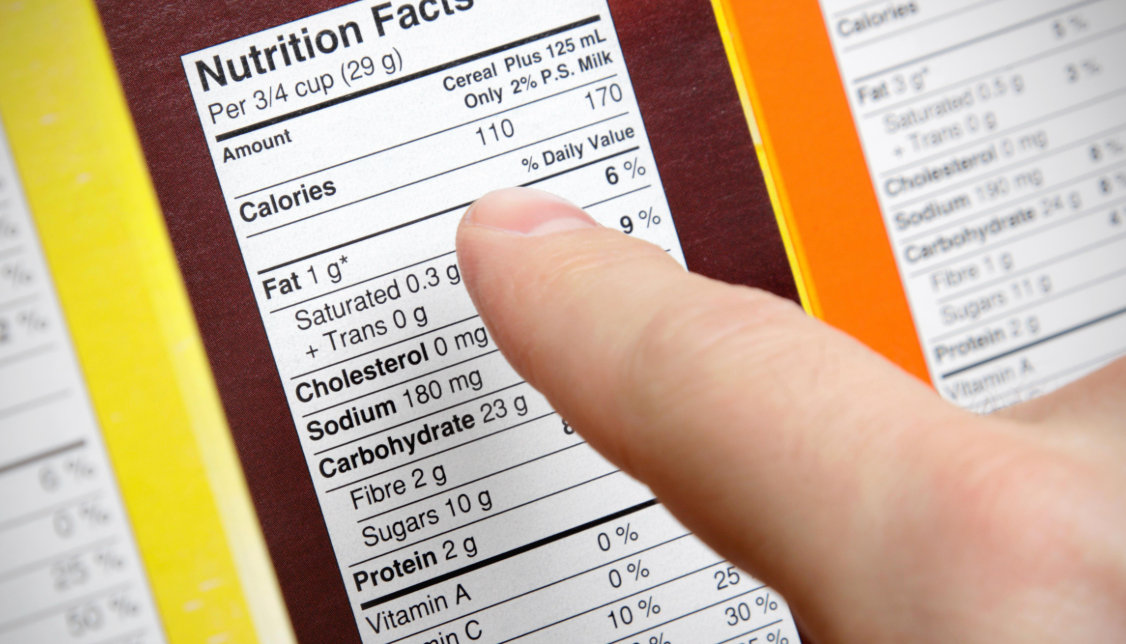
We've all been there, standing in the supermarket aisle, flipping a product over, scanning a wall of numbers and percentages… and putting it back on the shelf more confused than when we picked it up.
Here's the thing: most of that confusion disappears once you understand macros. When you know what you're looking for - protein, carbs, and fats - a nutrition label stops being overwhelming and starts being genuinely useful.
This guide is your no-fluff, no-jargon breakdown of how to read a label with a macro mindset. Whether you're building muscle, losing fat, or just trying to eat with more intention, this is your starting point.
First Things First: What Are Macros?
"Macros" is short for macronutrients, the three main nutrients your body uses for energy and function:
- Protein: builds and repairs muscle, keeps you full, supports metabolism
- Carbohydrates: your body's preferred fuel source, powers workouts and daily activity
- Fats: essential for hormones, brain function, and absorbing fat-soluble vitamins
Every food you eat is made up of some combination of these three. And every nutrition label breaks them down for you, you just need to know how to read it.
Step 1: Check the Serving Size
Before you look at a single macro number, check the serving size at the top of the label. Every figure on that panel - protein, carbs, fat, calories - is based on that amount, not the whole package. A protein bar might show 20g of protein per serve, but if the bar is actually 1.5 serves, you're eating 30g. That matters when you're tracking.
Step 2: Calories: Your Macro Maths Check
Calories don't just appear out of nowhere, they come directly from your macros. Every gram of protein, carbs, and fat contributes to the total calorie count on the label.
Here's a simple way to remember it:
- Protein and carbs are the lighter options. each gram gives your body about 4 calories of energy
- Fat is the more concentrated source, each gram delivers about 9 calories
You don't need to crunch numbers every time you pick up a product. But understanding this relationship helps you see why a high-fat food can rack up calories quickly, even in a small serving and why protein and carbs give you more volume for the same calorie spend.
Step 3: Protein: The Macro That Earns Its Place
Protein is the macro most people undereat and the one that makes the biggest difference when you're training. When you're scanning a label, a simple question to ask is: is protein doing most of the work here, or are carbs and fat carrying the calorie load? A quality protein product should have protein as the clear star, not an afterthought padded out with sugar and cheap fillers.
A practical way to eyeball it: if the protein grams are high and the calories are relatively low, that's a macro-efficient choice. If the calories are high but protein is modest, something else, fat or sugar, is making up the difference.
As a general guide, active people benefit from around 1.6 – 2.2g of protein per kg of body weight per day. For a 70kg person, that's roughly 112 – 154g of protein daily. It sounds like a lot - and it is - which is why a supplement that delivers 22 – 24g of clean protein per serve(like every Macro Mike protein) genuinely helps you hit that target without having to eat chicken at every meal.
Step 4: Carbohydrates: Fuel, Not Fear
Carbs get a bad reputation, but they're your body's primary energy source, especially important for training performance and recovery. The key is understanding what type of carbs you're eating.
On the label, total carbohydrates are broken into:
Sugars: includes both natural sugars (from fruit, dairy) and added sugars. Added sugars are the ones to watch. They burn through quickly, spike blood sugar, and don't contribute much nutritionally. Look for them in the ingredients list under names like glucose syrup, fructose, maltodextrin, or dextrose.
Dietary Fibre: slows digestion, keeps you full longer, and supports gut health. A high-fibre carb source is a far better choice than a high-sugar one, even if the total carb numbers look similar. For context on macros: if you're in a muscle-building phase, carbs are your friend, they fuel your sessions and help with recovery. If you're in a fat-loss phase, you might be keeping carbs tighter, which means added sugar is especially worth minimising.
Step 5: Fats: Quality Over Quantity
Fat is the most calorie-dense macro at 9 calories per gram, so even small amounts contribute significantly to your daily totals. That doesn't mean avoiding fat — it means choosing quality sources.
On the label, total fat breaks down into:
Saturated fat: Fine in moderation, but worth keeping an eye on, particularly from processed sources
Unsaturated fat (mono & poly): The good guys. Found in nuts, seeds, avocado, and plant-based proteins. Support heart health, reduce inflammation, and help your body absorb fat-soluble vitamins.
Trans fat: Avoid if possible. When you're tracking macros, fats are often where hidden calories sneak in. A product that looks "low carb" might be high in fat - neither good nor bad, but worth knowing so your daily totals stay on track.
Step 6: The Ingredients List: Where the Real Story Is
The nutrition panel shows you how much of each macro is in a product. The ingredients list shows you what's actually creating those numbers. A few things to watch for through a macro lens:
- Protein sources matter. Not all protein is equal. Look for whole, recognisable protein sources - pea protein, faba bean protein, peanut protein, whey isolate - rather than cheap fillers like collagen (which lacks essential amino acids and won't support muscle the same way).
- Hidden sugars inflate your carb count. There are over 60 names for added sugar. If you see multiple sweeteners listed throughout the ingredients, the actual sugar impact is higher than it looks. At Macro Mike, we use monk fruit, stevia and thaumatin - natural sweeteners that keep the carb count clean.
- Fat sources tell you the quality. Coconut milk powder (like we use) provides MCTs, a form of fat your body can use quickly for energy. That's a very different fat source to hydrogenated vegetable oil.
Reading Macros for Your Goal
Here's a quick cheat sheet for what to prioritise on a label depending on your goal:
Building Muscle
- Prioritise: High protein per serve, moderate carbs, quality fat sources
- Watch for: Low protein-to-calorie ratio, excessive added sugar
Fat Loss
- Prioritise: High protein (keeps you full), lower overall calories, high fibre
- Watch for: Hidden fats and sugars adding up across the day
General Health and Energy
- Prioritise: Balanced macros, whole-food ingredients, fibre
- Watch for: Ultra-processed ingredient lists, high sodium, trans fats
How Macro Mike Stacks Up
Every Macro Mike product is built with this exact lens in mind - high protein per serve, low added sugar, quality plant-based fat sources, and an ingredients list you can actually read.
Because tracking your macros only works if the information on the label is worth trusting. And that starts with brands being straight with you about what's inside.
Want to know the exact macros in any Macro Mike product? Head to the product pages, every nutritional panel is right there, no fine print required.